Rats Nest in Your Car Engine? What to Do Before You Turn the Key
RAT NEST IN YOUR CAR ENGINE
Rats Nest in Your Car Engine? What to Do Before You Turn the Key
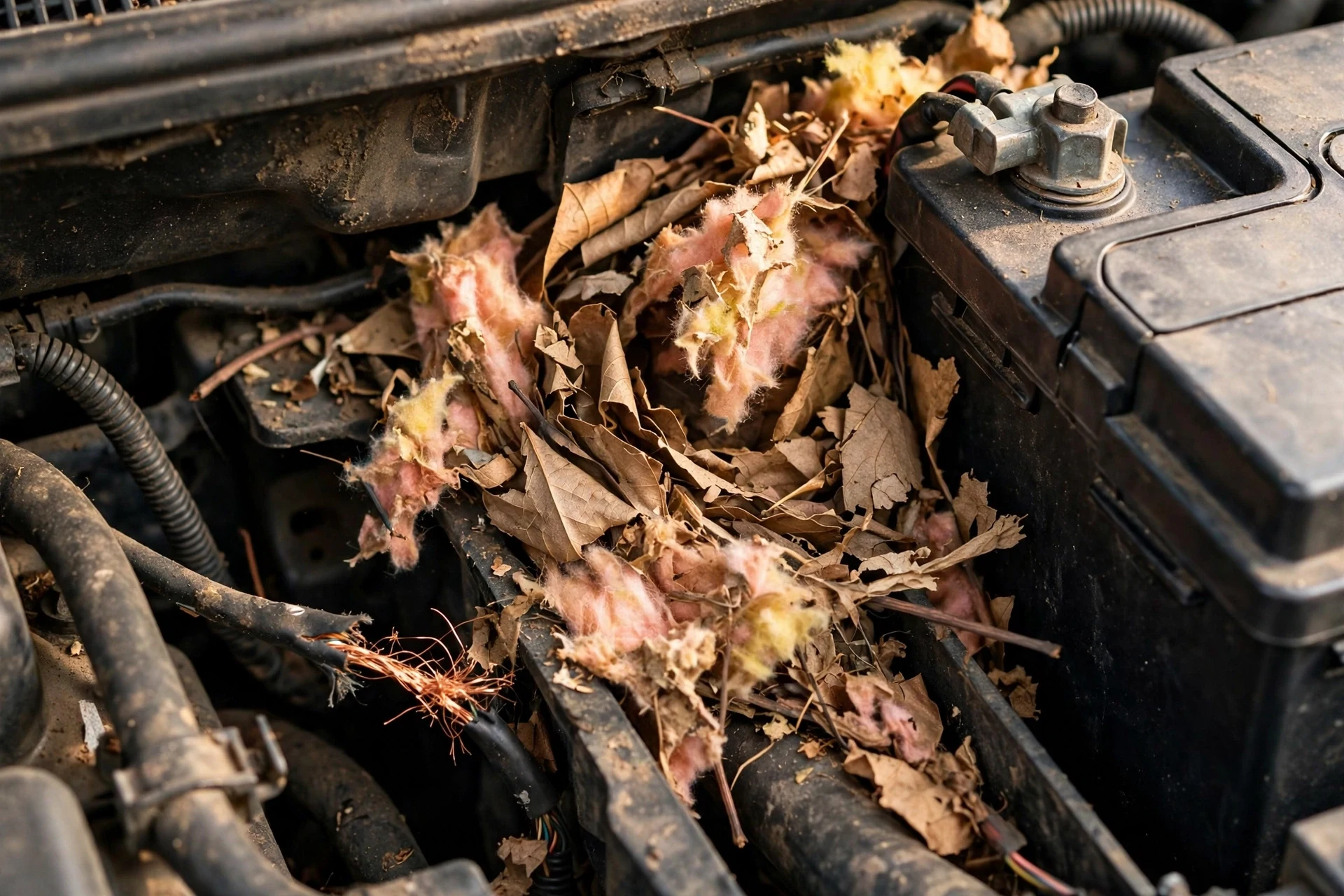
You turn the key and nothing happens, or the engine stutters, or a warning light comes on for no clear reason. Then you lift the hood and find the cause: a ball of shredded leaves and insulation tucked beside the engine, droppings scattered across the battery, and a wire chewed down to bare copper. A rat has been living in your car. In Boynton Beach, November is the season this happens most. The nights turn cool, the engine stays warm for hours after a drive, and a parked car becomes the warmest dry shelter on the street. This guide gives you the order of what to do next, what the repair is likely to cost, who actually pays for it, and how to keep rats out of the car and the garage for good.
Why Rats Pick Your Engine
A car engine gives a rat everything it wants in one place. It is warm, dry, dark, and full of soft material to chew. After a drive, the engine bay holds heat for hours, and on a cool November night that warmth is the difference between a cold yard and a safe nest. The engine cover, the insulation under the hood, and the gaps around the wheel wells give a rat cover from owls, cats, and the weather. A rat does not need an open door to get in. It climbs up through a wheel well, slips past the firewall gaps, and walks straight into the engine bay.
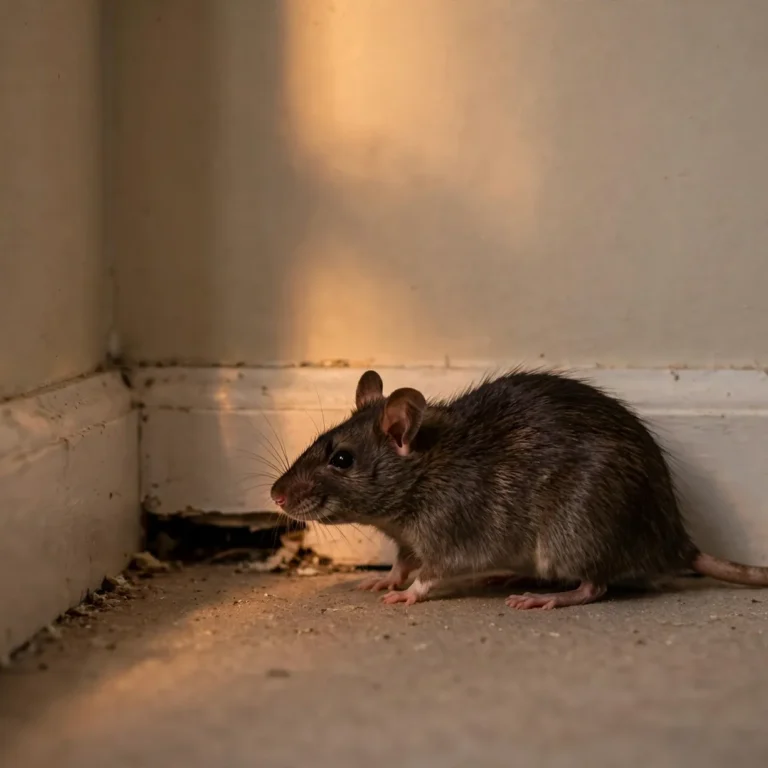
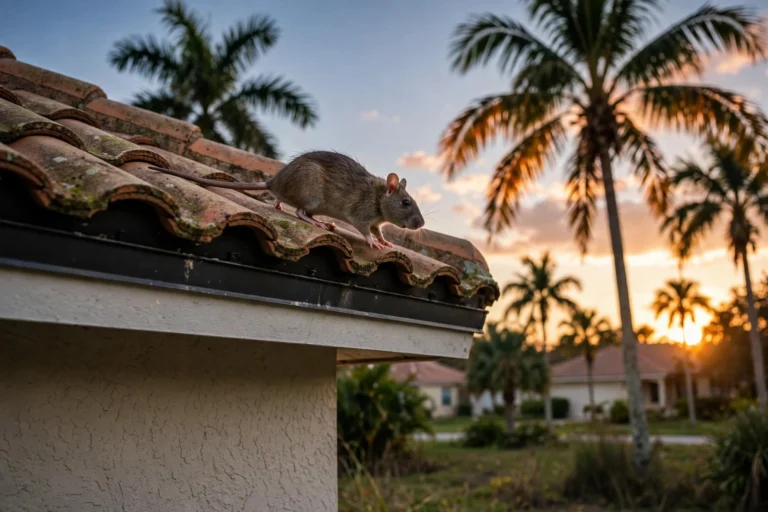
Roof rats are the species behind most of this in Boynton Beach. They climb, they live high, and they travel along palm fronds, citrus branches, and power lines before they ever touch the ground. A car parked under a tree is an easy step down from a branch to a roof to a hood. Once a rat is in, it chews. A rat has to chew, because its teeth never stop growing, and chewing keeps them short and sharp. Wires, hoses, and insulation are all the right size and texture, and the rat chews them whether it is hungry or not. Some newer cars use plant based insulation on their wiring, and makers have faced lawsuits over it, but the courts have treated the damage as environmental, not a defect, and the chewing happens on older cars too. The warmth brings them in. The chewing is what they do once they are there.
Check Under the Hood Before You Drive
Make a habit of looking under the hood before the first drive of the day, at least once a week from November through March, and every time a car has sat still for more than a few days. The check takes two minutes, and it can save you a repair bill in the thousands. Open the hood in daylight and look for these signs.
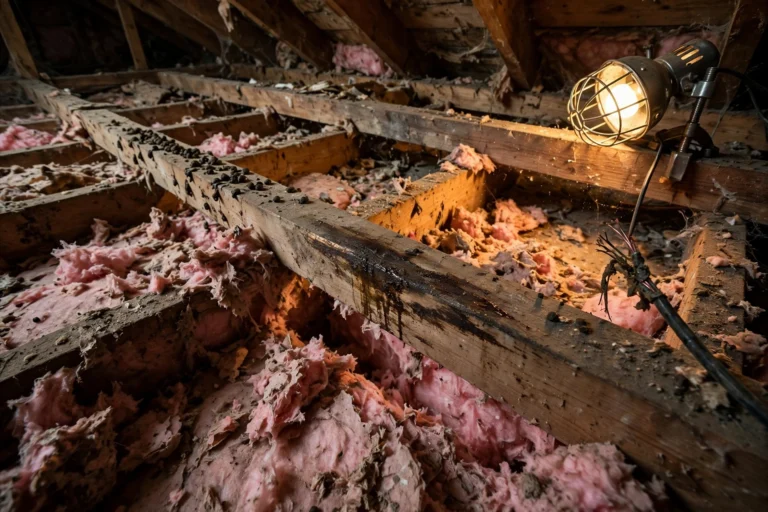
Nesting material. A pile of shredded leaves, grass, paper, or hood insulation packed into a corner of the engine bay, often near the battery or under the engine cover. A nest is usually about the size of a dinner plate, and it is the clearest sign a rat has moved in.
Droppings. Small dark pellets on the battery, on the engine cover, or along the edges of the bay. Our guide to rat droppings shows how to tell rat droppings from mouse droppings by size and shape, and fresh dark droppings mean the rat was there in the last day or two.
Chewed wires and hoses. Bare copper showing through a wire, frayed insulation, a hose with tooth marks, or a filter chewed at the edges. If you see exposed copper, you have confirmed damage, and the car needs a mechanic before it needs a wash.
Smell and warning lights. A stale urine smell when you open the hood, a musty smell through the vents when the air runs, or a check engine light, a battery warning, or a warning about a sensor that worked fine yesterday. A chewed sensor wire can trigger a light with no other symptom at all.
If you find a nest, do not just clear it and drive away. The nest tells you rats are active around the car, and the wires need a look before the car is safe to drive. That is the next step.
What Rats Chew and What It Breaks
Rats do not chew one thing. They chew whatever is in front of them, and a modern engine bay is full of it. The damage usually falls into four groups, and the group decides the size of the bill.
Wiring. Sensor wires, spark plug wires, and the main wiring harness that carries signals all over the car. A chewed sensor wire can stop the car starting, make it run rough, or light up the dashboard. A chewed harness can shut down several systems at once, and the fault is often hard to find because the chewed spot hides under a cover or deep in the bay.
Hoses and lines. Coolant hoses, vacuum lines, and washer fluid lines are all soft enough to gnaw. A chewed coolant hose leaks, the engine overheats, and a small chew becomes a tow truck call. A chewed fuel line is rarer and far more serious, because leaking fuel near a hot engine is a fire risk.
Insulation and filters. The insulation under the hood, the cabin air filter, and the engine air filter all make soft nesting material. A filter packed with nesting material chokes the airflow, and the musty smell comes through the vents every time the air runs.
The car itself. Rats can chew through the firewall between the engine and the cabin, and they nest in the blower motor, the glove box, and the seats. Electric cars are not safe from this either. Their wiring is just as chewable, and high voltage harness repairs often cost more, not less.
The fire risk deserves a straight answer. A chewed wire can spark, and a spark near fuel or oil can start a fire, but a car fire from rats is rare. The common damage is the expensive kind, not the dramatic kind: a car that will not start, a dashboard full of warnings, and a repair bill that grows every time the mechanic has to take another part off to find the next chewed wire.
What a Repair Costs and Who Pays
This is the part most owners learn too late, so here it is in plain numbers, checked against current repair guides. A minor repair, one wire or a few chewed wires spliced and sealed, usually runs $200 to $800. Damage to connectors and plugs pushes the bill to $300 to $1,200. A partial wiring harness replacement, where one section of the harness has to come out, usually runs $800 to $2,500. A full harness replacement on a modern car can reach $2,500 to $8,000 or more once labor and the electronic recalibration are added in. Labor is often the larger half of the bill, because the mechanic has to take the bay apart to reach the damage and then test every system the harness feeds.
Your car warranty almost never pays any of this. Standard new car warranties cover defects in materials and workmanship, and makers class rodent damage as environmental damage, something that happened to the car after it left the factory, not something wrong with the car itself. Extended warranties and service contracts use the same exclusion. A car bought yesterday with a rat nest under the hood is still your bill, not the maker’s.
Comprehensive auto insurance is the coverage that usually pays, and it is the part of a policy that covers non crash losses like theft, fire, hail, and animal damage. Rodents fall squarely in that last group. If you carry comprehensive coverage, it typically pays for the chewed wiring, the hoses, the filters, and the labor to find the damage, minus your deductible, which is often around $500. That makes the maths simple. A $300 repair is cheaper to pay yourself than to claim. A $3,000 harness is a claim. If you carry liability only, you pay every dollar yourself, because liability pays for damage you cause to other people, never for damage to your own car. Homeowners insurance does not help either, even if the car was parked in your own garage. Check your policy before you need it, and take photos of the nest and the damage before anything is cleaned, because the photos are your claim evidence.
Do Not Start the Car Until You Look
If you lift the hood and find a nest, do not turn the key. A rat caught in a fan belt or a moving part is killed instantly, and a nest pulled into a spinning belt can snap the belt and strand the car. A live rat in the bay will bite if it is cornered, and a nest can hide a chewed wire that sparks the moment power runs through it. Stand back, close the hood, and call a mechanic or a rodent professional first. If the car has to move, have it towed. A tow costs far less than a harness.
Take photos first, from a few feet away, of the nest, the droppings, and every chewed wire you can see. Then leave the bay alone until the professional arrives. The photos do two jobs: they show the mechanic where to look, and they prove the damage for an insurance claim. If the nest is in the cabin, in the glove box or under a seat, close the car and call the same day. Do not drive with a rat nest in the cabin, and do not breathe the dust it leaves behind. Our guide to hantavirus in Florida explains why dried droppings and nest dust are a health risk, not just a mess.
Clear the Nest the Safe Way
Once a mechanic has checked the wires, the nest itself has to come out, and the way it comes out matters. Wear gloves and a mask, and do not touch nesting material or droppings with bare hands. Rat nests carry the same risks as the rats themselves: leptospirosis through urine, salmonella through droppings, and dust that can carry hantavirus when it is disturbed. Bag the material, seal the bag, and put it in the outside bin. Wipe the bay with a damp cloth so the dust stays down, and wash your hands with soap and water when you are done, even if you wore gloves.
Do not put poison in the engine bay or in the garage to solve this. A poisoned rat dies where you cannot reach it, inside a wall, under the floor, or deep in the car, and the smell lasts for weeks. Poison in a car also puts pets and wildlife at risk, because a poisoned rat is easy prey for an owl, a cat, or a dog. And do not trust sprays, oils, or scented pouches to keep rats out of an engine. They may smell strong to you, but there is no good evidence they keep a rat out of a warm engine bay on a cold night, and a driver who trusts them stops checking under the hood, which is the one step that actually works. Clearing the nest is the cleanup. Keeping the rats out is a different job, and it starts with the garage, not the car.
Keep Rats Out of the Car and the Garage
Keeping rats out of the car starts with the garage, because a rat that cannot get into the garage cannot get into the car parked inside it. Work through these steps in order, and do the sealing after the rats are gone, never before. Sealing rats inside a garage traps them with the car, and a trapped rat chews harder.
Close the garage door properly. A garage door that leaves a gap at the bottom is an open invitation. Rats fit through a gap the size of a quarter, and the rubber seal at the bottom of the door wears out faster than owners expect. Replace a cracked or missing seal, and check the corners, where the seal often pulls away first. Our guide to how small a hole a rat can fit through shows just how little space a rat needs.
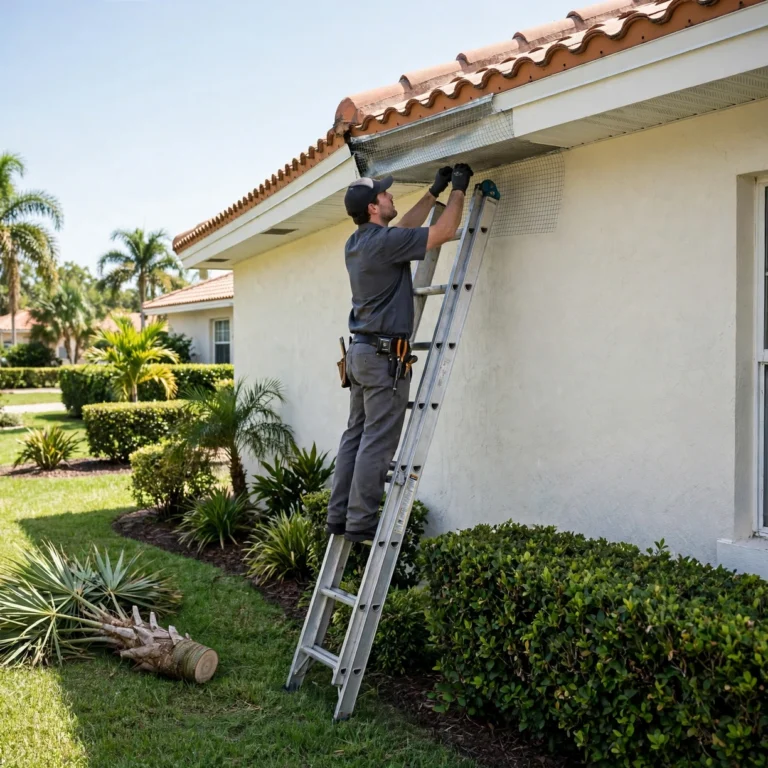
Seal the gaps. Walk the garage walls at dusk and look for daylight coming through. Seal gaps around pipes, vents, and cables with metal flashing or copper mesh, never foam alone, because rats chew straight through foam. Cover vents with strong wire mesh, and fit a screen over any drain or floor outlet. A professional rodent proofing and exclusion job closes the whole building at once, top and bottom, so the next rat finds no way in at all.
Take the food away. A garage that stores pet food, birdseed, grass seed, or a bin with a loose lid is a restaurant with a roof. Move pet food indoors, keep birdseed in a sealed metal bin, and pick up fallen citrus from the yard the same day it falls. In Boynton Beach, a citrus tree over a driveway drops food straight onto the cars below it. Trim the branches back from the roof and the driveway, and the rats lose both the food and the highway.
Drive the car and look under the hood. A car that moves every day is a bad nest, because the engine gets hot, the bay shakes, and the rat gets no peace. A car that sits still for a week is a good nest. If you have a second car, a classic, or a work truck that sits for days at a time, drive it at least once a week and lift the hood when you do. The two minute check is the whole prevention plan for the car itself, and it costs nothing.
Keep the garage clean and dry. Clutter on the garage floor is cover, and a rat with cover stays. Stack boxes on shelves, keep them off the floor, and clear the cardboard, old clothes, and soft material a rat would use for a nest. Fix leaks fast, because a rat that finds water in the garage has no reason to leave.
Snowbird Cars Need a Check Before the First Drive
Boynton Beach has a season within the season. Every autumn, snowbirds come back to cars that have sat in a garage or a driveway all summer, and every autumn a few of them find a nest under the hood on the first morning back. A car parked for months is the perfect nest: quiet, undisturbed, warm when the sun hits it, and full of soft material. Our snowbird home rat check covers the house side of the same return, and the car deserves the same look before the first drive.
Check the car before you load it, not after. Lift the hood, look for nesting material and droppings, and check the tires, the battery, and the fluid levels while you are there. If you find a nest, follow the steps above: photos, no key turn, call a mechanic. If the car sat outside all summer, also check the cabin air filter and the glove box, because rats nest inside the car as well as under the hood. A ten minute check on arrival beats a tow truck on the first day of the season, and it beats a repair bill that could have been a look under the hood.
When the Car Is Fixed, Fix the Garage Too
A repaired car parked in the same open garage is a repair waiting to happen again. Rats come back to a place that fed them once, and a car that has been chewed once has a scent trail other rats will follow. Our guide to whether rats come back after removal explains why a house that still offers food, warmth, and shelter gets a second colony, and a garage works the same way.
That is why the car repair and the garage fix belong together. Get the wires repaired, then get the building sealed. A rodent inspection finds the entry points a homeowner walks past every day: the gap where the garage wall meets the roof, the vent with a missing screen, the pipe that was never sealed. A rat removal job takes the colony out, and the exclusion work keeps the next one from moving in. The car is the symptom. The garage is the cause. Fix both, and the next November is a check under the hood, not a repair bill.
Questions Drivers Ask About Rats in a Car Engine
Q: Why do rats nest in my car engine?
A: Your engine is warm, dry, dark, and sheltered, and it stays warm for hours after a drive. On cool November nights in Boynton Beach, that warmth is the best shelter on the street. Roof rats climb in through the wheel wells and nest under the engine cover, then chew wires, hoses, and insulation because their teeth never stop growing.
Q: What are the signs of rats in my car engine?
A: Look for nesting material packed into a corner of the engine bay, small dark droppings on the battery or engine cover, chewed wires with bare copper showing, a musty smell through the vents, and warning lights that were not there yesterday, especially the check engine light. Fresh dark droppings mean the rat was there in the last day or two.
Q: How much does rat damage to a car cost to repair?
A: A minor chewed wire repair usually runs $200 to $800. Damage to connectors and plugs runs $300 to $1,200. A partial wiring harness replacement usually runs $800 to $2,500, and a full harness can reach $2,500 to $8,000 or more with labor and recalibration. Labor is often the larger half of the bill.
Q: Does car warranty cover rodent damage?
A: Almost never. Standard new car warranties cover defects in materials and workmanship, and makers class rodent damage as environmental damage, not a defect. Comprehensive auto insurance usually pays for rodent damage minus your deductible, often around $500. Liability only policies pay nothing, and homeowners insurance does not cover damage to a car, even in your own garage.
Q: What should I do if I find a nest under the hood?
A: Do not turn the key. Take photos of the nest and any chewed wires, close the hood, and call a mechanic or a rodent professional. A rat caught in a fan belt can snap the belt, and a chewed wire can spark when power runs through it. If the car has to move, have it towed. Wear gloves and a mask to clear the nest, bag the material, and wash your hands after.
Q: How do I keep rats out of my car and garage?
A: Seal the garage after the rats are gone, with metal flashing or copper mesh on every gap and strong wire mesh over the vents, and replace a worn garage door seal. Take the food away: pet food indoors, birdseed in a sealed metal bin, fallen citrus picked up the same day. Drive the car at least once a week, lift the hood and look before the first drive, and keep clutter off the garage floor. Sprays and scented pouches do not keep rats out of an engine bay. Sealing, cleaning, and regular checks do.
A nest under the hood is not a small problem. It is the sign that rats are living around your car, and every day the car sits in an open garage is another day they chew. The check takes two minutes. The repair takes days and costs thousands.
If you found a rat nest in your car engine or garage in your Boynton Beach home, call Rodent Shield Boynton Beach at 728 300-9010 for a free inspection. We will find every nest, map every entry point, and lay out the removal, cleanup, and sealing plan before any work begins. We serve Boynton Beach, Delray Beach, Lake Worth Beach, Lantana, Hypoluxo, Ocean Ridge, and Boca Raton, Monday to Saturday, 8am to 8pm.
Found a Rat Nest in Your Car Engine or Garage?
Rodent Shield provides fast, professional rat removal and exclusion in Boynton Beach. Call today for a free inspection and a clear plan to keep rats out of your car and garage for good.
Call 728 300-9010