Can Rats Really Come Up Through the Toilet? A Boynton Beach Guide
Rat Prevention & Exclusion
Can Rats Really Come Up Through the Toilet? A Boynton Beach Guide
It sounds like an urban myth. A rat, swimming up through the pipes, popping out of your toilet bowl.
It is not a myth. It is rare, and most Boynton Beach homes will never see it, but a rat in the toilet is a real event with a real explanation. Rats live in the sewer lines under our streets, they swim far better than most people expect, and the pipe that leaves your toilet leads straight to them.
This guide explains how a rat makes that trip, why Florida weather and older Florida pipes raise the odds, what to do in the first five minutes if it happens to you, and how to close that door for good.
Yes, a Rat Can Reach Your Toilet Bowl
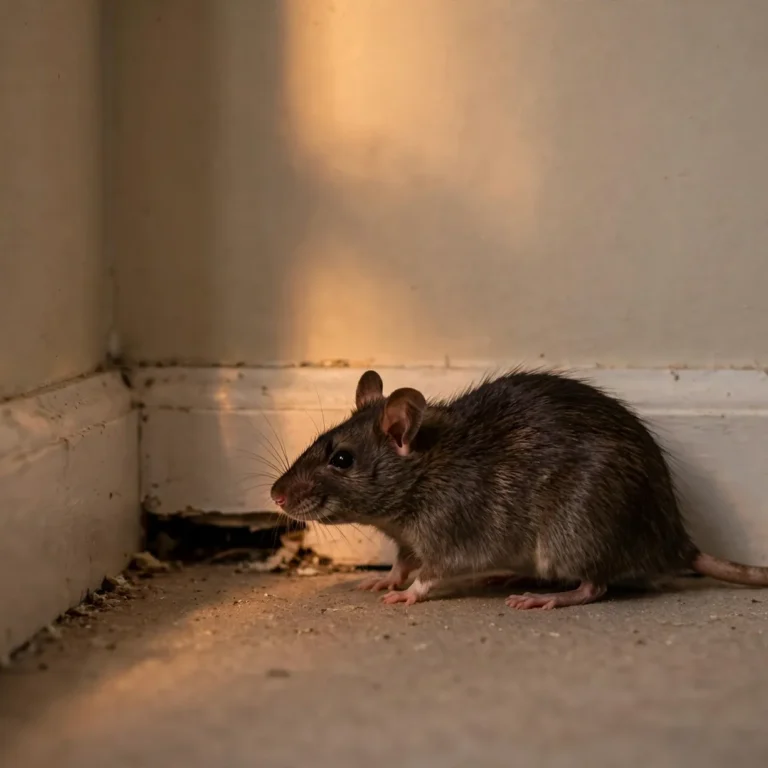
Start with the animal. The rats that live in sewers are almost always Norway rats. They are strong swimmers. A Norway rat can tread water for days, hold its breath for around three minutes at a time, and swim through the water filled bend of a toilet trap without much trouble.
Its body helps too. A rat’s ribs hinge at the spine, so its chest can fold flat. If its head fits through a gap, the rest of the body follows. The pipe run from a toilet bowl down to the sewer line is wide compared to the gaps a rat squeezes through every day.
The route is simple once you see it. Your home connects to the street sewer through one main pipe, called the lateral line. A rat exploring that line, pushed by hunger or high water, can turn up your line, climb through the toilet trap, and surface in the bowl. Public health guidance in Seattle and King County, where this happens often enough to study, confirms the route and the fix, and a detailed guide to rats in toilets walks through their findings.
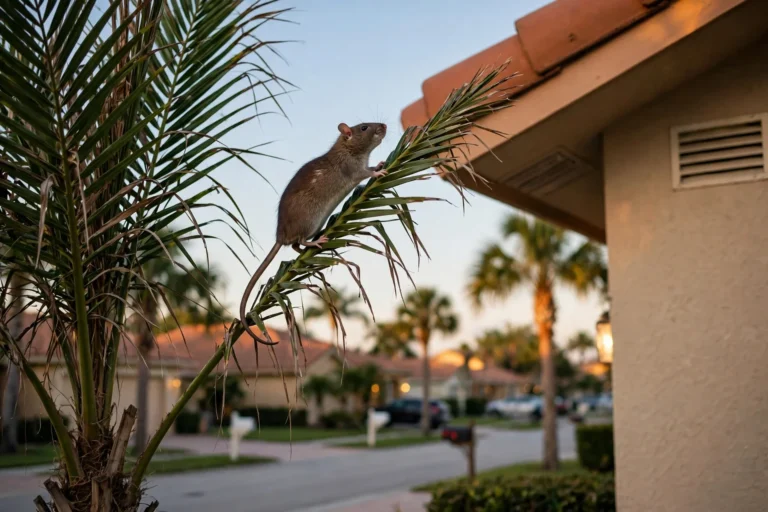
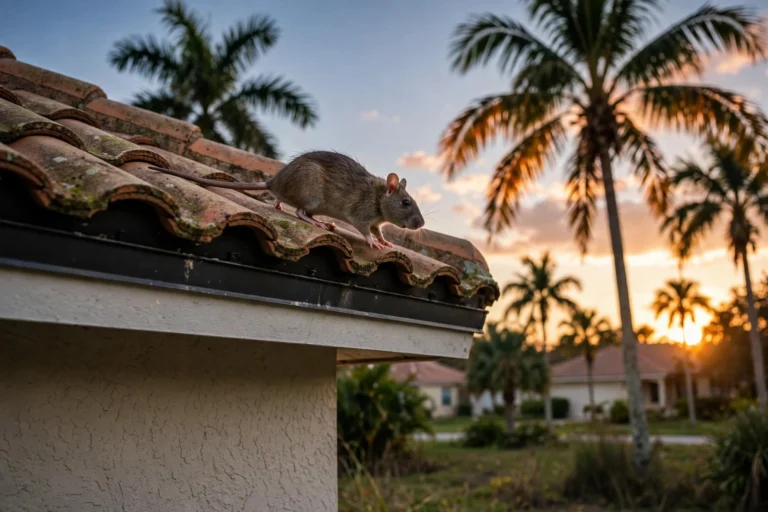
One honest limit. This is a Norway rat trick. Roof rats, the climbers that fill Boynton Beach attics, reach homes from above, through rooflines and palm trees. If a rat arrives through the toilet, think ground level plumbing, not the roof.
Why Florida Homes See It More Often
Three local facts stack the odds here in South Florida.
Heavy rain floods the sewers. Summer storms fill the lines and push sewer rats up and out in search of dry ground. Homes see toilet visits most often during and right after long wet spells, the same weeks rats flood out of their outdoor burrows.
Older pipes crack. Many Boynton Beach homes were plumbed with clay or cast iron lines. Roots crack them, joints shift, and every crack is both a door into your line and a reason rats gather near your home. A broken lateral line feeds a rat problem twice, once in the yard and once in the pipes.
Food goes down our drains. Grease, food scraps, and garbage disposal waste wash into the sewer and scent the water. Rats follow that smell toward homes the way they follow fallen fruit toward a yard.
None of this means your toilet is unsafe. It means the event has local causes, and local causes can be fixed.
Found a Rat in Your Toilet? Do These Five Things First
Stay calm. The rat in the bowl is trapped far more than you are, and the next few minutes are simple.
- Put the lid down. A closed lid keeps the rat in the bowl. Most rats, faced with a closed lid and no way out, turn around and swim back down the way they came.
- Close the bathroom door. If the rat does climb out, it stays in one room instead of running through the home.
- Keep children and pets out. A cornered rat can bite. Distance is the whole job here.
- Do not reach in, and do not pour chemicals in the bowl. No bleach cocktails, no fuel, no poison. Chemicals splash, they damage plumbing, and they do not solve the route the rat used.
- Flush with the lid down. King County guidance notes that a flush can send the rat back down the line, and a little dish soap in the bowl first can help it slide back through the trap.
If the rat has already left the bowl and is loose in the bathroom, close the door, put a towel along the gap under it, and call for help. A live rat in a closed room is a short job for a professional and a risky one with a broom.
The Signs Your Drains Have a Rat Problem
One toilet visit can be a one time accident of rain and bad luck. These signs say it is a pattern instead.
Your drains gurgle, or several drains in the home run slow at once. Your toilet backs up or needs repeat plunging for no clear reason. You find burrow holes in the yard near where the sewer line runs to the street. You smell sewer gas indoors, which points to a cracked line. Or the toilet event happens a second time.
Any two of those together mean rats are using your plumbing area on purpose, and the line itself needs a look. This is the ground level mirror of the attic problem our guide to rats in the walls covers from above.
How to Close the Plumbing Door for Good
The fixes are plain, and most belong to a plumber and a rodent specialist working the same problem from two ends.
Fit a rat guard. A one way valve, often called a rat guard or non return valve, sits in your main sewer line. Water and waste flow out. Rats cannot pass back in. It is the single strongest answer to toilet visits.
Repair the broken line. A camera inspection of the lateral line shows cracks, root damage, and bad joints. Fixing them removes the rat highway and the yard burrows that go with it.
Keep lids down on spare bathrooms. A guest toilet that sits unused for weeks is the easiest target in the house, because nothing disturbs the line. Lid down, and a flush once a week, keeps it a poor choice for a visiting rat.
Stop feeding the line. Scrape grease and food into the trash, not the sink. Less scent in the water means fewer rats exploring toward your home.
Read the whole property, not just the pipe. A toilet rat that finds a warm attic or a food filled garage may stay. If you are also seeing droppings or hearing noises at night, read our guide to how many rats are in my house and treat both doors, the plumbing and the roofline, in one plan.
That is how Rodent Shield works in Boynton Beach. We inspect the home as one system: the routes rats run, the holes they use, and the fix that closes each one. A rodent inspection maps it all before any work is sold to you.
One Rat in the Toilet Does Not Mean a House Full of Rats
Take a breath on this point. A rat in the toilet proves a rat found your pipe. It does not prove a colony lives in your walls or attic, and it often happens in clean, well kept homes with one cracked line and one week of heavy rain.
What it does earn is a proper check. Look for the pattern signs above. Walk the yard for burrows along the sewer run. Listen at night for a week. If the signs stay silent, fit the rat guard, fix any line damage, and the story usually ends there.
If signs stack up, or the event repeats, that is the moment a rat removal visit pays for itself, because the second visit from a sewer rat rarely travels alone.
Questions Homeowners Ask About Rats in Toilets
Can a rat survive being flushed down the toilet?
Usually, yes. A healthy rat can swim through the trap and back into the sewer line unharmed. Flushing with the lid down is still the right first move, because it sends the rat back out of your home, which is the goal.
Can mice come up through the toilet too?
Almost never. Mice are weak swimmers and rarely survive the trip through water filled pipes. Mice reach homes through gaps around pipes, not through the water in them. A toilet visitor is a rat, nearly every time.
How common is a rat in the toilet?
It is uncommon, and most homeowners never see one. It shows up mostly in homes with older or damaged sewer lines, during heavy rain, and in bathrooms that sit unused. Rare does not mean impossible, which is why the rat guard exists.
Will keeping the toilet lid down stop rats?
A closed lid stops most rats from leaving the bowl, and many turn back on their own. It does not close the pipe itself. For a home that has had one event, a one way rat guard valve in the main line is the lasting fix.
Can rats come up through my sink or shower drain?
It is far less likely. Sink and shower pipes are narrower, with tighter traps, and they give a rat very little room to climb. The toilet line is the wide, direct route, which is why nearly every drain story is a toilet story.
What attracts rats into the sewer line near my home?
Food. Grease and food waste washed down drains scent the water and draw rats toward your line. A cracked pipe adds shelter and an exit into your yard. Clean drains and a sound line make your home a poor stop on their route.
A rat in the toilet feels like a freak event. It is not. It is a strong swimmer, a wide pipe, and usually one fixable weakness in the line between your home and the street.
Close the lid, keep your distance, and fix the route, not just the moment. A rat guard, a sound sewer line, and a full property check turn the strangest rat story in Florida into a closed case.
If a rat has visited your Boynton Beach home, or the drain signs above sound familiar, book a rodent inspection with Rodent Shield. We will check the plumbing routes, the yard, and the roofline in one visit, and show you exactly where your home stands.
Need Help With a Rat in Your Toilet in Boynton Beach?
Rodent Shield provides fast, safe rat removal and prevention across Boynton Beach. Call today to book your rodent inspection.
Call (728) 300-9010