Does Homeowners Insurance Cover Rat Damage? What It Pays and What It Never Does
RAT DAMAGE AND INSURANCE
Does Homeowners Insurance Cover Rat Damage? What It Pays and What It Never Does
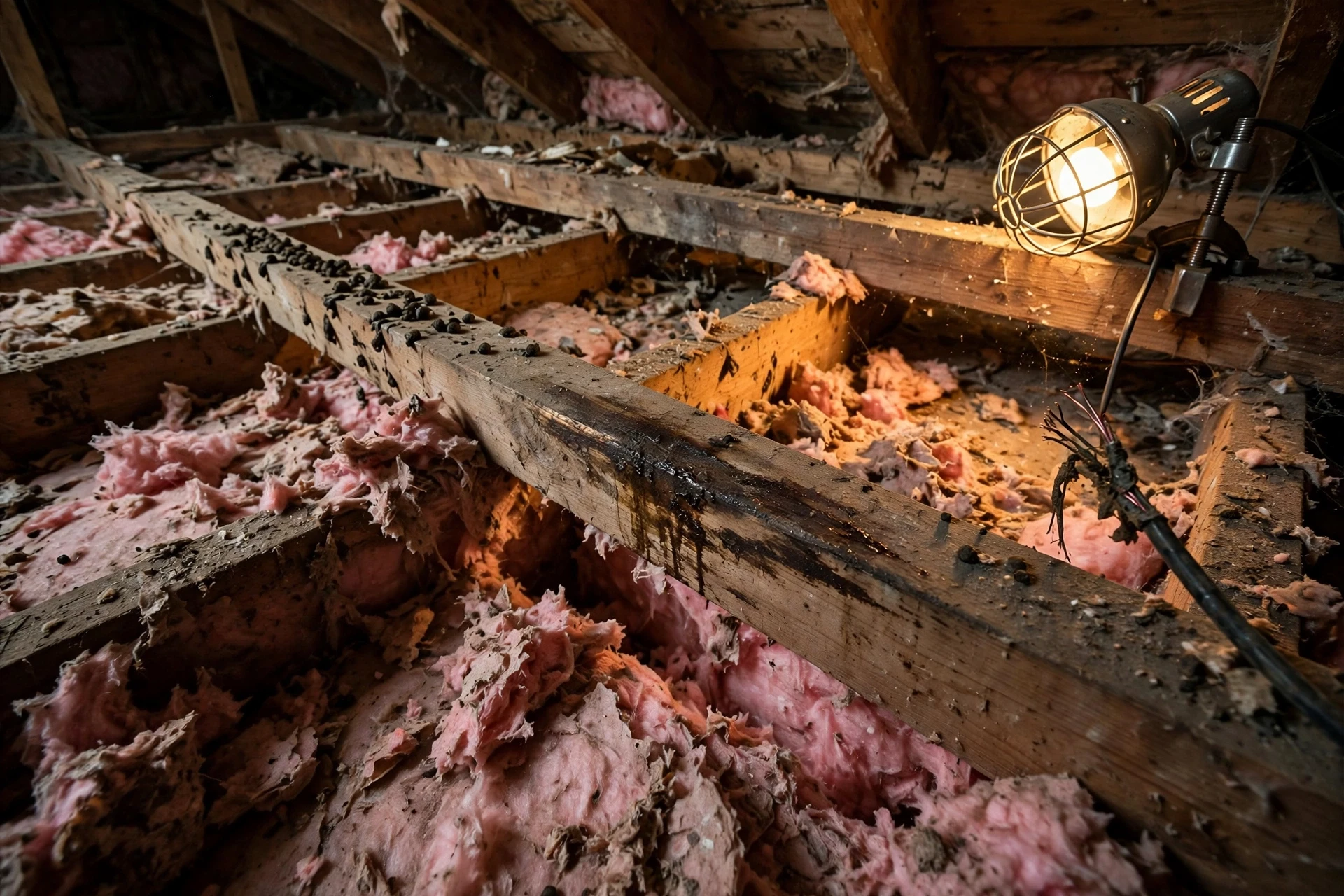
You opened the attic hatch and found the truth all at once. The insulation is shredded and tunneled, the beams carry greasy black marks, and the droppings run in lines along the joists. Then comes the second shock, the bill. Removal, cleanup, new insulation, sealing, and maybe rewiring. So you ask the question every homeowner in this spot asks: will my insurance pay for any of this?
In Boynton Beach, the short answer is almost always no for the house, and often yes for the car. That split surprises people, and it decides everything about what to do next. This guide answers the three money questions in plain words: does homeowners insurance cover rat damage in the attic, will it pay to replace insulation ruined by rats, and does car insurance cover rodent damage to wiring.
Your Home Policy Almost Never Pays for Rat Damage
Start with the rule, because everything else in this guide hangs off it. A standard homeowners insurance policy does not pay for damage caused by rats. The standard home policy form used across the United States lists the exclusion in plain words: losses caused by birds, vermin, rodents, or insects are not covered. Your own policy will carry the same idea in its own wording, under an exclusion for vermin or pests.
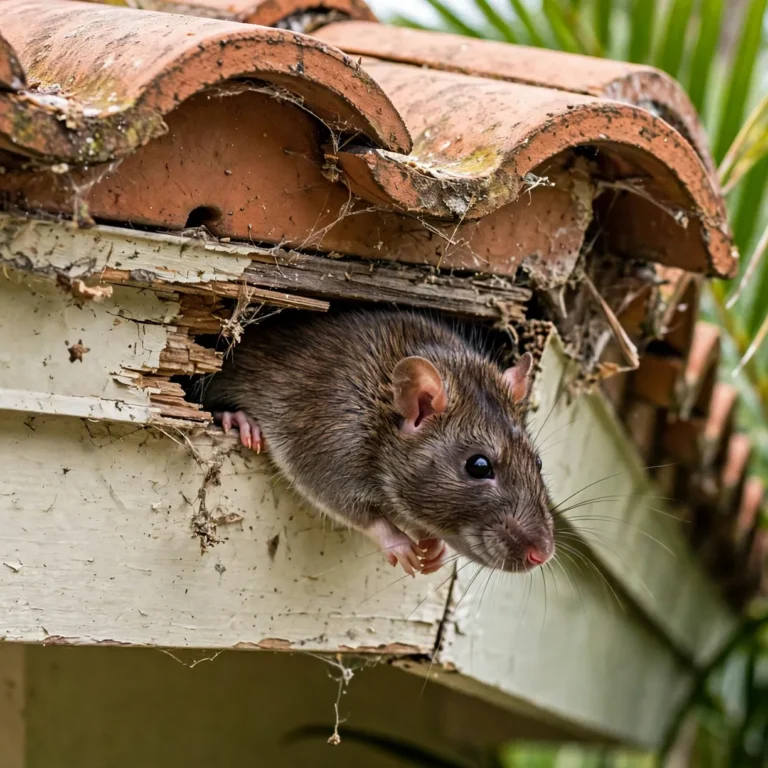
This is not the insurer being unkind. It is how home insurance is built. A home policy pays for sudden accidental events, such as a fire, a storm, or a break in. A rat infestation is the opposite of sudden. It builds quietly over weeks or months. By the time you see the droppings or smell the urine, the colony has been living in the attic for a long time. Insurers read that as a maintenance problem, something regular inspection and upkeep should have caught, and maintenance is the homeowner’s job, not the insurer’s.
That one idea decides most claims before they start. The chewed wires, the gnawed wood, the soiled insulation, the droppings cleanup, the nest removal, and the sealing work that follows all sit on the same side of the line. They are the direct results of an infestation, and the vermin exclusion puts them outside the policy. Your agent cannot bend that wording, and a different agent at the same company would give you the same answer.
Why Insurers Call Rat Damage a Maintenance Problem
It helps to see the claim the way an adjuster sees it. When you report rat damage, the adjuster asks two questions. Was the damage sudden, and was it accidental? A rat colony fails both tests in their eyes.
First, it was not sudden. Rats do not arrive and destroy an attic in one night. They move in through a gap the size of a quarter, they nest in the insulation, and they chew a little every night for weeks. The damage you found in one afternoon took a whole season to build. Our guide to what rats in the attic sound like shows how long a colony can live overhead before anyone hears it clearly.
Second, insurers treat it as preventable. In their view, a roofline check, a vent screen, a trimmed branch, and a sealed gap would have kept the rats out. That is harsh to hear after the fact, and it is also the reason the exclusion exists in nearly every standard policy. Covering slow preventable damage would push every homeowner’s premium up, so insurers draw the line at sudden events and leave slow ones to the homeowner.
None of this means you did something wrong. Roof rats are quiet, patient, and good at hiding, and a Boynton Beach home gives them palm fronds, citrus, warm attics, and roof gaps all year. It means the system was never built to pay for this kind of loss, and knowing that before you file saves you a denied claim and a lot of waiting.
The One Exception That Can Pay After the Damage
There is one real exception, and it is worth understanding properly, because it is the only road that sometimes leads to a payment. Insurers call it ensuing loss. The idea is simple: the rodent damage itself stays excluded, but a separate covered event that the rodents set off may still be covered.
The most common case is fire. Rats chew through electrical wiring in the attic, the bare wires spark, and a fire damages the walls, the floors, and your belongings. Fire is a covered event on every standard home policy. Under the ensuing loss idea, the insurer will not pay to replace the chewed wiring, because that is rodent damage and excluded. It will pay for the fire damage to the house and the belongings, because the fire itself is a covered loss.
The same logic covers a leak. Rats gnaw through a plastic water pipe, the pipe bursts, and water soaks the drywall and the flooring. The chewed pipe stays excluded. The water damage that followed may be covered, because a sudden leak is a covered event on its own.
The line is sharp, and adjusters hold it firmly. The covered event has to be genuinely separate from the rodent damage, and it has to be sudden. A slow stain that grew over months is not sudden. A scorch mark with no fire that spread is not a fire claim. And the cleanup, the insulation, the sealing, and the removal stay excluded even when the fire or water damage is paid. If you think your case might sit on this line, read your own policy first and ask your agent before you file, because the exact wording decides it.
Insulation Ruined by Rats Stays Your Bill in Almost Every Case
This is the question that hurts most, because insulation is often the biggest single cost after an infestation. Rats nest in it, tunnel through it, soak it with urine, and pack it with droppings. Once it is fouled, it cannot be cleaned back to safe. It has to come out and be replaced, and the attic has to be cleaned first.
Homeowners insurance almost never pays for that work. Soiled and shredded attic insulation is classed as rodent damage, and it is caught by the same vermin exclusion that bars the rest of the claim. Insulation damage from nesting animals is listed by insurers among the costs that stay with the homeowner, along with attic decontamination and the removal work itself.
There is a narrow version of the exception worth asking about. If a covered event, such as a fire or a sudden leak, also damaged the insulation, ask your insurer specifically about the resulting damage to the insulation under your dwelling coverage. Some policies may treat insulation ruined as part of that covered event differently from insulation ruined by nesting alone. That is a question, not a promise. Do not count on it, and do not start the work expecting payment before you have the answer in writing.
What you can control is the size of the bill. The longer a colony lives in the attic, the more insulation it ruins. A colony found early may foul one corner. A colony left for a season can foul the whole attic. That is why the order of work matters: remove the rats, clean the attic, replace only what is ruined, and seal the house so it never happens again. Our guide to will rats leave on their own explains why waiting only grows the colony and the bill with it.
Your Car Is a Different Story and Usually a Better One
Here the news turns. Car insurance treats rodent damage very differently from home insurance, and for once the difference works in your favor.
If your car policy includes comprehensive coverage, rodent damage to the wiring is typically covered, minus your deductible. Comprehensive coverage is the part of a car policy that pays for damage not caused by a crash, such as theft, hail, falling objects, and contact with an animal. Rats chewing a wiring harness sit in that group, because a chewed wire is not a collision. Major carriers say so in plain words: rodent damage typically falls under comprehensive coverage because it is considered non collision damage.
That one word, comprehensive, decides the whole claim. If you carry liability only, the insurer pays nothing for damage to your own car, no matter what caused it, because liability only pays for damage you cause to other people. Collision coverage does not help either, because there was no crash. Only comprehensive reaches a rat in the engine bay.
The numbers help you decide whether to claim at all. Repair shops commonly report a few hundred dollars for a couple of chewed wires, and several thousand dollars when a full wiring harness has to be replaced. Your deductible applies first, so if the repair costs close to your deductible, filing may not be worth it. If the harness is gone and the bill runs into the thousands, the claim is usually worth filing. Watch for two denial traps: damage that was already there before the policy started is excluded, and damage left to grow for months may be classed as wear and tear. Find it early, photograph it, and report it promptly.
Photograph Everything Before You Clean Anything
Whatever you decide about a claim, do this first, before a single bag of insulation leaves the attic. Evidence is the difference between a claim that gets a fair hearing and a claim that gets dismissed in one phone call.
Take wide photos of the whole attic, then close photos of each problem: the shredded insulation, the tunnels, the droppings along the joists, the rub marks on the beams, the gnawed wires, and the entry gaps at the vents and the roofline. Photograph the dates too, by keeping the photos in order and noting the day you found each problem. If you already cleaned part of the attic, photograph what is left and write down what was removed and when.
Then get a written inspection report. A professional rodent inspection maps every entry point, notes which signs are still active, and records the damage zone by zone with photos. That report is the document an adjuster asks for, and it is also the document that protects you if the insurer questions whether the damage was sudden or gradual. Keep every receipt from the removal, the cleanup, the insulation, and the sealing, even for costs you expect to pay yourself. A clean paper trail costs nothing and helps every conversation that follows.
One warning that saves people real trouble: do not start major repairs before the adjuster has seen the damage, if you think any part of the loss might be covered. Once the evidence is gone, the claim is your word against the policy, and that is a weak place to stand. Photograph, report, then repair, in that order.
The Exact Words to Ask Your Agent
Most denied claims fail on wording, not on facts. The homeowner asks the wrong question, the insurer answers that question, and the real question never gets asked. These are the words that get you a straight answer.
First, ask about your own policy, not about insurance in general. Say: “Does my policy have a vermin or rodent exclusion, and what exactly does it exclude?” Then ask: “If rats chewed a wire and it caused a fire, would the fire damage be covered even though the wire is not?” Then ask: “Is the insulation covered as resulting damage if it was ruined by a covered event, or only as rodent damage?” Then ask: “Do I have any endorsement or add on that covers pest related damage, and what does it cost?”
Ask these questions before you file a claim, not after. A filed claim that gets denied can still sit on your claims history, and a quick question costs nothing. If the agent’s answers are unclear, ask for them in writing, or ask to see the exclusion page of your own policy. The words on that page decide your claim, not what anyone remembers saying on the phone.
If the answer is no across the board, that is still useful. It tells you to spend your money on fixing the house properly instead of spending weeks chasing a payment that the policy was never going to make.
When a Claim Is Worth Filing and When It Is Not
Use this simple test before you pick up the phone.
File when a separate covered event happened. A fire started, a pipe burst, water soaked the rooms below, and rats set it off. That is the ensuing loss case, and it is the one claim in this guide with a real chance. File with photos, the inspection report, and the dates ready, and expect the insurer to pay for the fire or water damage while refusing the rodent damage itself.
Do not file for the infestation alone. Droppings, nests, shredded insulation, chewed wood, and sealing work are the direct results of rats living in the house, and the vermin exclusion bars them. Filing anyway costs you time, leaves a denied claim on your record, and ends with the same no.
For the car, file when the repair clearly beats the deductible. A full harness replacement worth thousands is a claim. A single chewed wire worth less than your deductible is not, because you pay the whole bill either way. And remember that a comprehensive claim for animal damage usually affects your premium far less than a crash claim, so the fear of a big rate rise should not stop a genuine claim.
Stop the Next Bill Before It Starts
Insurance will not pay to fix a rat problem, and it will not pay to stop the next one either. The only money that truly protects you is the money spent on the full job, in the right order.
First, remove the rats that live inside. Trapping along the dark edges and pipes where they travel, checked every day, until the tests stay clean for two weeks. Our guide to rat droppings shows how to read the signs that tell you the colony is still active.
Second, clean the attic. Remove the droppings and the nesting material, wearing a mask and gloves, and wet everything down first so no dust rises. Cleaning breaks the scent trails that would guide the next colony home, and it is also what makes the new insulation safe to install.
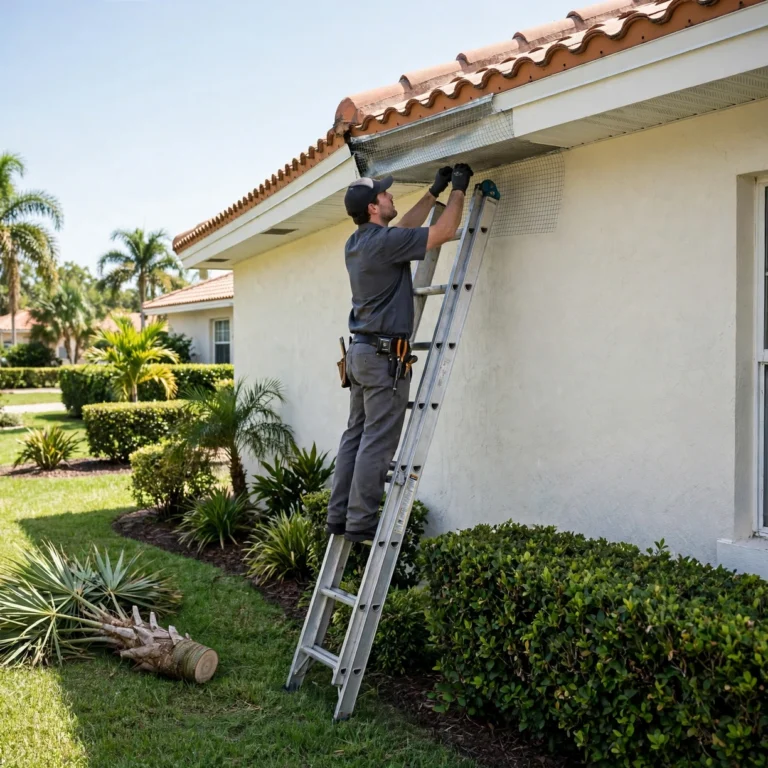
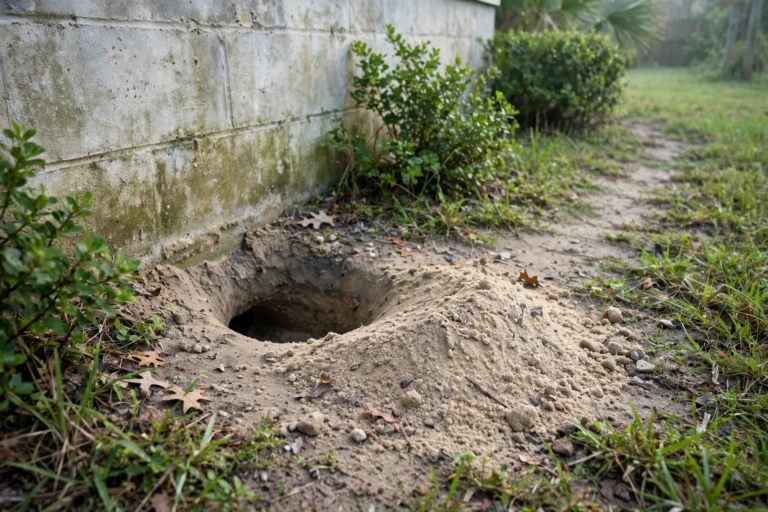
Third, replace only the insulation that is ruined, and seal the house before the next rats arrive. Cover vents with strong wire mesh, close gaps with metal flashing or copper mesh, never foam alone, because rats chew through foam. Trim the branches and palm fronds back from the roofline so no bridge leads onto the roof, and pick up fallen fruit the same day. Check the yard for fresh holes too, because a burrow by the foundation is often the front door the colony used, and our guide to rat holes in your yard shows how to tell if a burrow is still active. That full sequence, run on the whole property at once, is how a rat removal job works at Rodent Shield in Boynton Beach, and it ends with rodent proofing and exclusion so the house stays closed.
A home with open holes and fresh scent trails is a home that will pay this bill again. A home that is sealed, cleaned, and checked is a home that never needs to ask the insurance question twice. If the colony has already moved into the walls, our guide to rats in the walls explains the sounds that tell you how far it has spread, and if you leave for the season, our guide to opening a snowbird home shows how to check for rats that moved in while you were away.
Questions Homeowners Ask About Rat Damage and Insurance
Q: Does homeowners insurance cover rat damage in the attic?
A: Usually not. A standard homeowners insurance policy excludes losses caused by vermin and rodents, and it treats an infestation as gradual and preventable, which makes it a maintenance problem rather than a covered event. The chewed wires, gnawed wood, soiled insulation, droppings cleanup, and sealing work are all direct results of the infestation, so they stay outside the policy. The one exception is ensuing loss: if rats set off a separate covered event, such as a fire from chewed wiring or a leak from a chewed pipe, the fire or water damage may be covered even though the chewed wire or pipe itself is not.
Q: Will insurance pay to replace insulation ruined by rats?
A: Almost never. Attic insulation that rats shredded, tunneled through, or fouled with urine and droppings is classed as rodent damage, and the vermin exclusion bars it, along with the cleanup and removal work. Ask your insurer specifically whether insulation ruined as part of a covered event, such as a fire or a sudden leak, is treated as resulting damage under your dwelling coverage, because some policies draw that line differently. Do not start the work expecting payment before you have the answer in writing, and photograph everything before you clean anything.
Q: Does car insurance cover rodent damage to wiring?
A: Usually yes, if you have comprehensive coverage. Rodent damage to wiring is treated as non collision animal damage, so comprehensive typically pays for the repair minus your deductible. Liability only policies pay nothing for damage to your own car, and collision coverage does not apply because there was no crash. Repair bills commonly run from a few hundred dollars for minor wiring work to several thousand for a full wiring harness replacement, so compare the repair cost with your deductible before you file. Damage that was already there before the policy started, and damage left to grow for months, can still be denied.
Q: Can I add coverage for rodent damage to my home policy?
A: Some insurers offer an endorsement or add on that covers limited pest related damage, but it is uncommon and usually expensive, and it rarely covers the full cost of removal, cleanup, and sealing. Ask your agent what it covers, what it excludes, and what it costs per year, then compare that cost with the cost of sealing the house once and properly. For most homeowners, sealing the house is the better spend.
Q: Will filing a rat damage claim raise my premium?
A: A denied claim can still sit on your claims history, which is why you should ask your agent about coverage before you file rather than after. A genuine comprehensive claim on a car, for animal damage, usually affects your premium far less than a crash claim. For the house, a claim that gets paid under the ensuing loss exception is judged on the covered event, such as the fire or the leak, not on the rats. If you are unsure, ask first, file second.
The insurance question has a hard answer and a useful one. Your home policy will almost never pay for rat damage, because the policy was built for sudden events and a rat colony is slow, quiet, and preventable in the insurer’s eyes. Your car policy is kinder, because comprehensive coverage treats a chewed wire as animal damage and pays for it minus your deductible. And the one door that sometimes opens on the house, the fire or the leak that the rats set off, is worth asking about before you file, with photos and a written report in your hand.
Do not spend weeks chasing a payment the policy was never going to make. Spend that time on the work that actually protects the house: remove the colony, clean the attic, replace the ruined insulation, and seal every gap so it never happens again.
If your Boynton Beach home has rat damage and you are not sure what can be claimed and what cannot, book a rodent inspection with Rodent Shield. We will map every entrance, confirm whether the colony is still active, document the damage with photos, and lay out the removal, cleaning, and sealing plan before any work begins. Call 728 300-9010. We serve Boynton Beach, Delray Beach, Lake Worth Beach, Lantana, Hypoluxo, Ocean Ridge, and Boca Raton, Monday to Saturday, 8am to 8pm.
Rat Damage in Your Attic? Get a Free Inspection
Rodent Shield documents the damage with photos, maps every entry point, and lays out the removal, cleanup, and sealing plan before any work begins.
Call 728 300-9010