Crawlspace · Foundation · Norway Rat · Canal-Adjacent · Boynton Beach, FL
Boynton Beach Crawl Space Rodent Control & Damage
The crawl space is where Norway rat damage happens on Boynton Beach’s waterfront and canal-adjacent properties — and where it’s least likely to be caught before it’s expensive. Gnawed plastic water supply lines. Damaged vapor barriers. Foundation burrows tracing back to the C-16 Canal, the Intracoastal Waterway, and the drainage network feeding Lake Ida and Lake Osborne.
★★★★★ 100+ Reviews · FDACS Chapter 482 Licensed · Norway Rat Specialists · Same/Next-Day Boynton Beach
Does Your Boynton Beach Home Even Have a Crawl Space?
Unlike mountain or northern markets where nearly every home sits on a wood-framed crawl space, most Boynton Beach construction is slab-on-grade — a single concrete slab poured directly on the ground, with no accessible void beneath it. South Florida’s high water table makes basements essentially nonexistent, and it pushes the majority of newer builds toward slab construction rather than a raised foundation.After removal, we recommend rodent proofing and exclusion to prevent future infestations.
Crawl space and pier-and-beam construction in Boynton Beach shows up in two specific situations:
- Waterfront and canal-adjacent properties in FEMA-designated flood zones, where federal flood elevation requirements mandate the home be raised on piers or an open pile foundation above the base flood elevation.
- Older, pre-code homes built before slab-on-grade became the regional default.
If your home is slab-on-grade with no accessible crawl space, Norway rat pressure is more likely to show up as foundation-perimeter burrowing or gaps at slab penetrations rather than interior crawl space activity — a different exclusion scope covered by our rodent proofing and exclusion service. This page is written specifically for homes that do have a crawl space or raised pier foundation.
Norway Rats Near Boynton Beach Waterways — How They Get In
Norway rats (Rattus norvegicus) are ground burrowers and capable swimmers with a strong preference for moisture-rich environments near water. In Boynton Beach, that means concentrated pressure near the C-16 Canal, the Intracoastal Waterway, and the connected drainage canals feeding Lake Ida and Lake Osborne. Properties within roughly 300 feet of any of these waterways carry meaningfully elevated Norway rat crawl-space and foundation pressure compared to inland lots.
Heavy hurricane-season rainfall raises canal water levels and saturates adjacent soil, pushing Norway rat populations toward the nearest dry, elevated structure — which, on a canal lot with a raised pier foundation, is often the crawl space itself. This pressure recurs every hurricane season, June through November, plus periodic heavy rain events outside that window.
🌊 Waterway Risk Zones
Canal-front lots throughout Golfview Harbour and Leisureville, properties adjacent to the C-16 Canal corridor, and Intracoastal-facing streets near Ocean Ridge. Post-hurricane-season crawl space inspection is the maintenance standard for these areas.
What We Assess in Every Boynton Beach Crawl Space Inspection
🕳️ Foundation Burrow Evidence
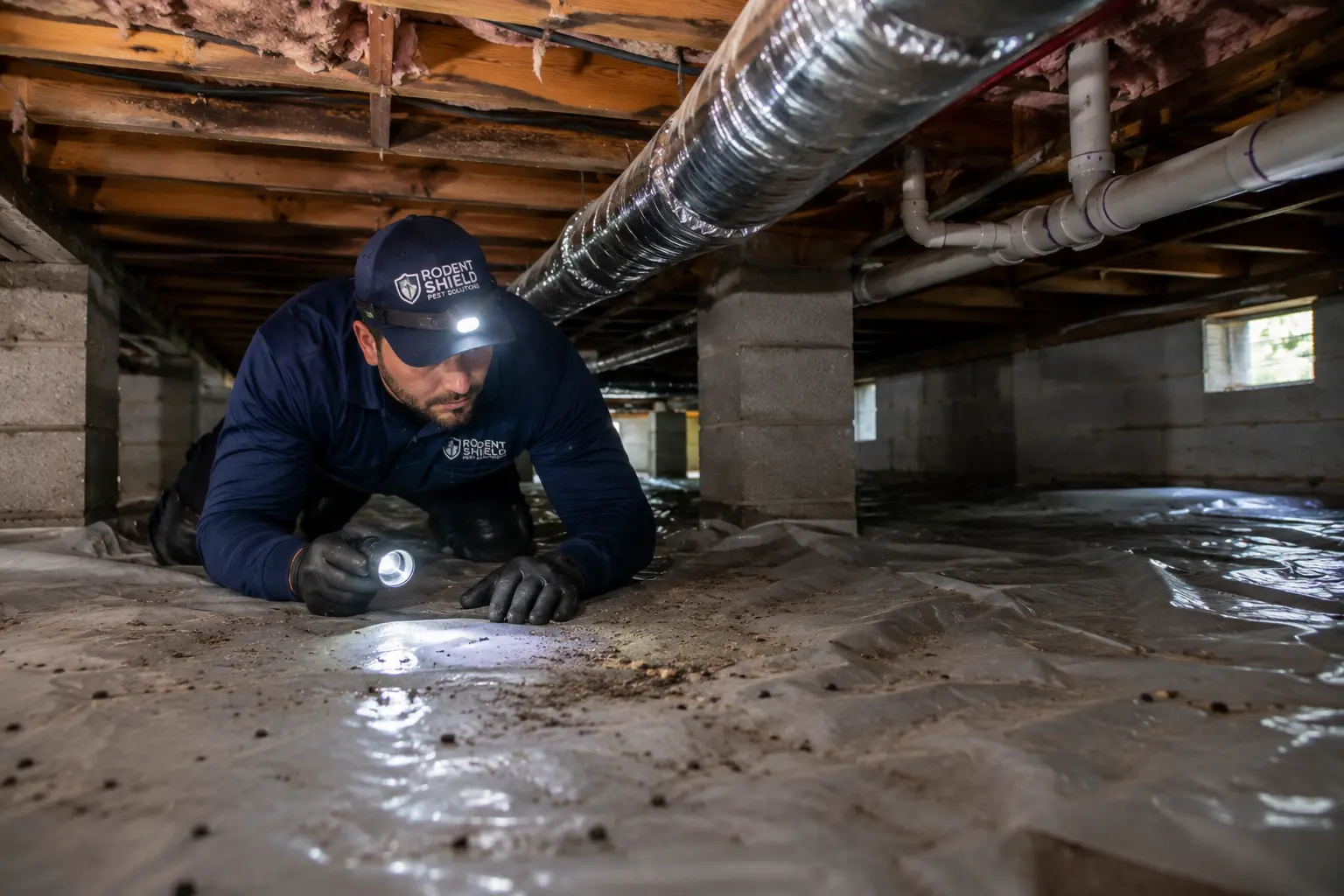
Every inspection begins with a perimeter assessment for foundation burrows before interior entry. Smooth-edged holes roughly 2–3 inches wide with excavated soil mounds adjacent are definitive Norway rat indicators. Active burrows have smooth, worn entry surfaces; unused burrows accumulate cobwebs within 7–10 days.
🚰 Plumbing Line Integrity
Norway rats gnaw through plastic water supply lines, PVC drain pipe, and flexible conduit. A gnawed water line in a seasonally vacant home can leak continuously for weeks, saturating framing and accelerating mold growth. Every inspection includes a visual assessment of plumbing runs and moisture meter readings at adjacent framing.
🏗️ Vapor Barrier Condition
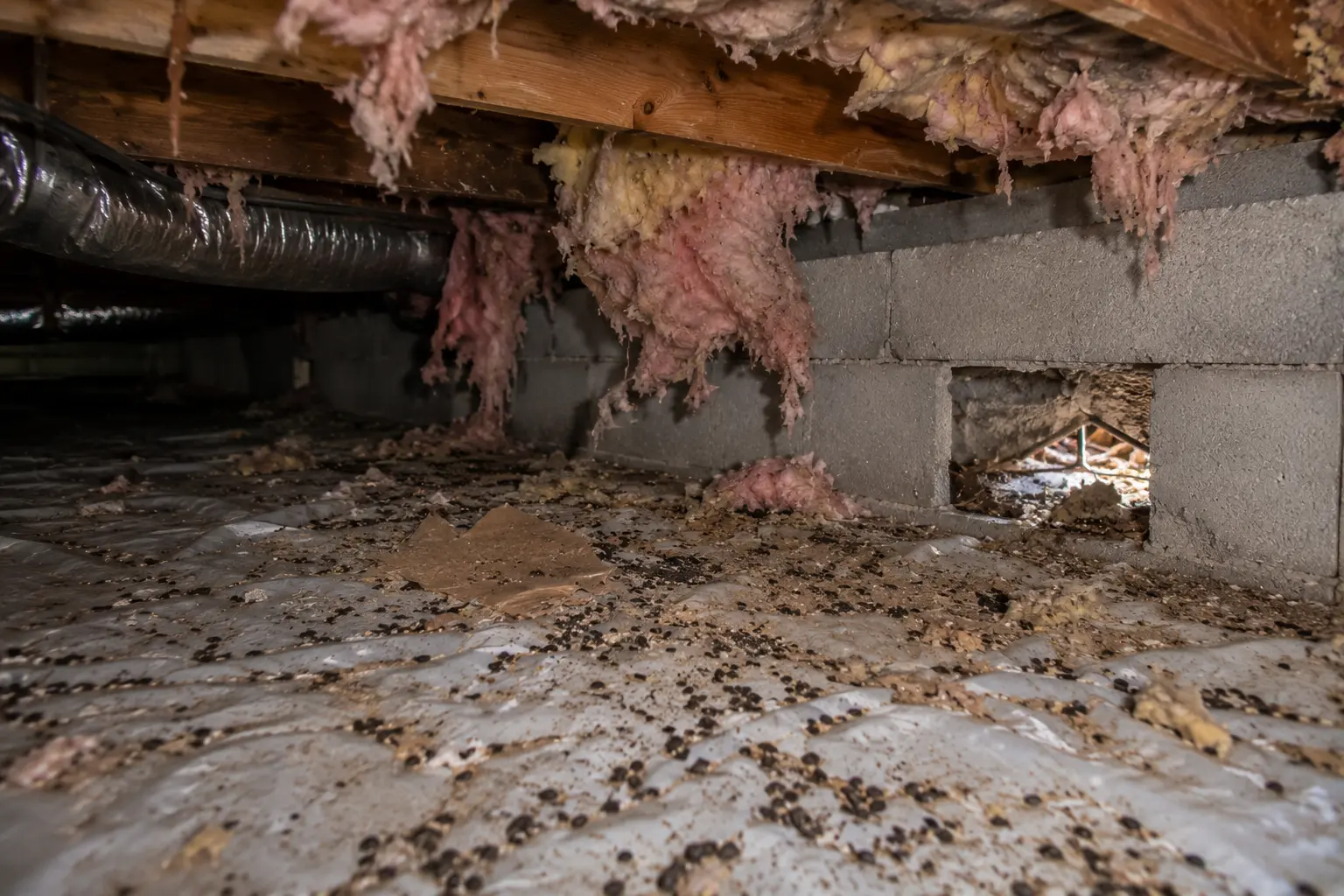
Vapor barriers are routinely damaged by rodents establishing travel routes across the crawl space floor. A compromised barrier in Boynton Beach’s high-humidity, high-water-table environment allows ground moisture to rise year-round, accelerating structural decay.
💩 Dropping Distribution & Species Confirmation
Norway rat droppings run about ¾ inch with blunt ends — unmistakably larger than house mouse droppings (⅛–¼ inch). Droppings in the crawl space but not the attic confirms Norway rat as the primary species, focusing exclusion on the foundation perimeter rather than the roofline.
🪵 Pier and Sill Plate Integrity
On raised pier foundations, Norway rats may gnaw at the sill plate — the framing member transferring building load onto the piers. Any damage is noted for contractor follow-up in the close-out report.
🌡️ Crawl Space Moisture Levels
Moisture meter readings at multiple points establish a baseline and flag elevated readings suggesting a slow leak, poor drainage, or a compromised vapor barrier — rodent damage plus elevated moisture produces mold conditions more expensive to remediate than either problem alone.
Leptospirosis — The Health Risk Specific to Norway Rat Crawl Space Work
Norway rats shed Leptospira bacteria in their urine throughout their range. Unlike some rodent-borne illnesses that spread through inhaled particles, Leptospira transmits through direct contact with contaminated water or soil, and the bacteria can survive in wet soil and standing water for weeks. In Boynton Beach’s crawl space context, canal-adjacent soil that stays saturated through hurricane season creates ongoing contamination risk near confirmed burrow zones.
Practical Precaution
Nitrile gloves and boot covers for any crawl space access or ground-level yard work near confirmed Norway rat burrow sites, particularly during and after hurricane season. Our technicians use nitrile gloves, respiratory protection where warranted, and protective coveralls near waterway-adjacent properties.
What Is the Fastest Way to Get Rid of Rats in a Crawl Space?
Trap along confirmed travel routes first — near burrow entrances, along foundation walls, and near any gnawed plumbing. Seal accessible entry points the same week using 316 stainless mesh and metal flashing at vents, sill gaps, and pipe penetrations. Trapping without sealing only removes the rats currently present; new rats from the same canal-adjacent population follow the same scent trail within days.
How Much Does Crawl Space Rodent Control Cost in Boynton Beach?
Crawl space inspection typically runs $100–$200 (credited toward approved work). Crawl space exclusion sealing runs $500–$2,000 depending on perimeter scope. Vapor barrier replacement, if damaged, runs $800–$3,500 depending on crawl space size and access difficulty.
Crawl Space Exclusion — Permanent Sealing with Coastal-Grade Materials
Foundation Vent Screens — 316 Stainless
Standard aluminum or galvanized foundation vent screens corrode and develop openings in Boynton Beach’s salt-air humidity within 1–3 years. Replaced with 316 marine-grade stainless hardware cloth and UV-stabilized polypropylene vent frames.
Foundation Sill Gap Sealing — Metal Flashing
Sealed with corrosion-rated metal flashing and 316 stainless mesh. Expanding foam degrades under coastal humidity and UV exposure within a season or two and provides no lasting resistance to a Norway rat’s gnaw force.
Pipe Penetration Sealing
Utility and plumbing penetrations sealed with 316 stainless mesh and metal flashing. Flexible pipe boot sealants are used where rigid seals would crack under thermal and moisture cycling.
Vapor Barrier Replacement
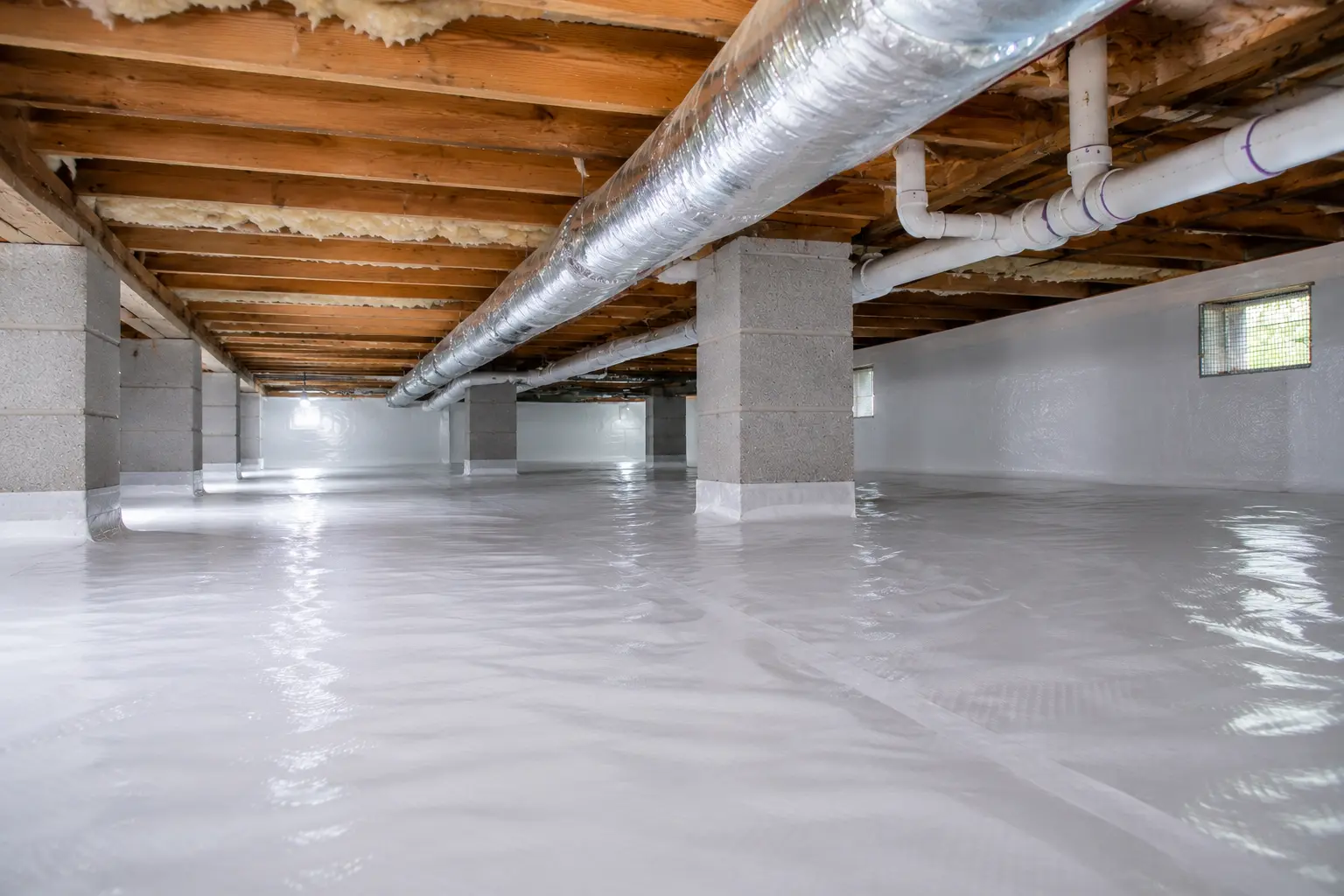
Damaged sections replaced with 6-mil polyethylene, seams overlapped a minimum of 12 inches and secured at edges and penetrations.
Frequently Asked Questions — Crawl Space Rodent Control Boynton Beach
Crawl Space Inspection — Same or Next Day
Foundation burrow assessment · Vapor barrier check · Plumbing inspection · Photo report
Rodent Shield Boynton Beach — Company Information
Rodent Shield Boynton Beach is a local, rodent-only team specializing in mouse and rat exclusion, attic cleanup, and crawl space decontamination across Boynton Beach and Palm Beach County. We work through the same hurricane seasons and canal-adjacent conditions you do.
📍3050 SW 14th Pl, Boynton Beach, FL [33426]
📞 [+17282338899] · ✉️ [rodentcontrolboyntonbeach@rodentcontrolboyntonbeach.com]
⏰ Monday to Saturday 8am-8pm
License: Florida FDACS Chapter 482, General Household Pest and Rodent Control
Serving Since: 2019
This page provides general information and does not replace an on-site professional inspection. Foundation type should be confirmed by a licensed contractor or the original builder’s plans if uncertain.